How to Get a Bachelors Degree Abroad
Steering the path to securing a bachelor's degree abroad demands thoughtful attention to several key elements. Applicants need to consider institutions and nations based on educational quality, funding options, and cultural compatibility. Gaining clarity on visa regulations is vital for a successful adjustment. Yet, the experience extends far beyond practical matters. Adapting to new environments and maintaining connections with home serve as key elements in influencing the student experience. What challenges and opportunities await students on this path?
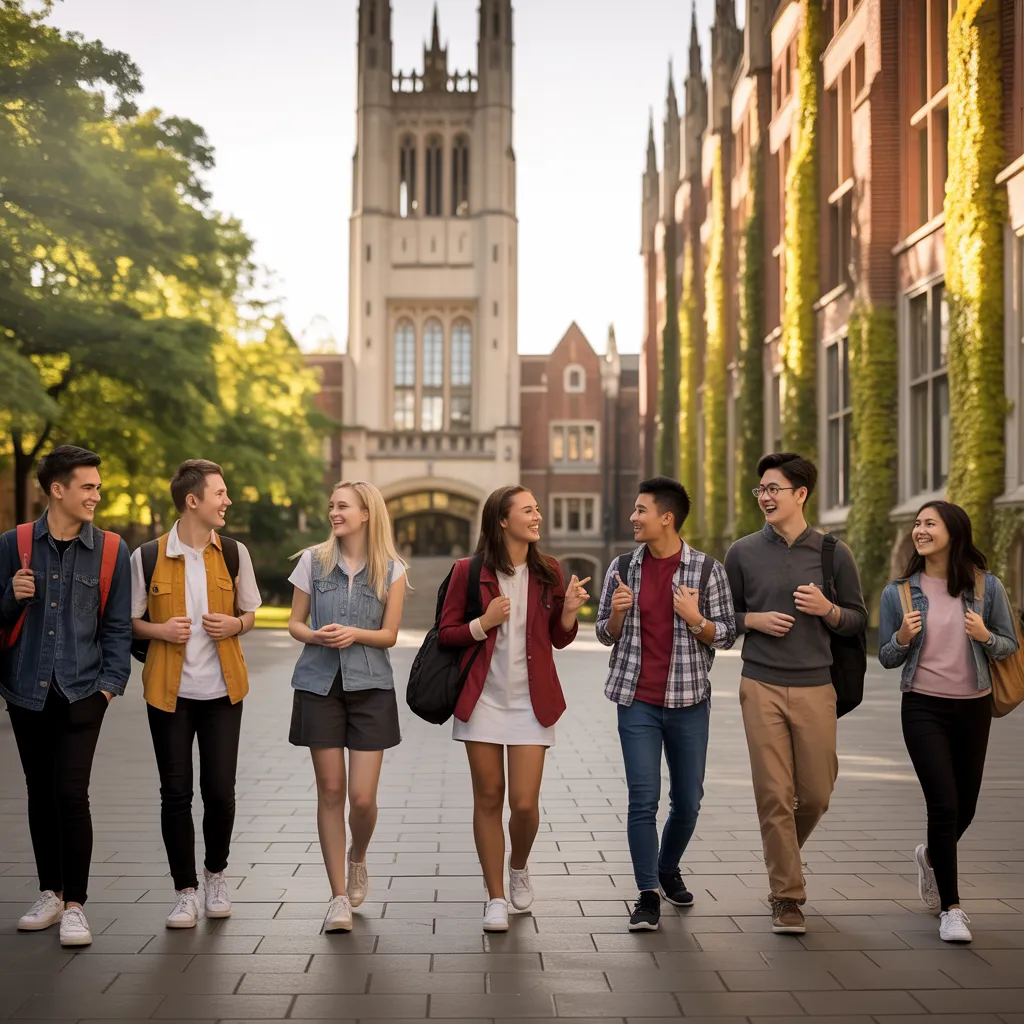
What Criteria Should You Consider When Deciding on a Country?
When choosing a destination for a undergraduate degree abroad, what essential considerations should guide the decision? First, the quality of education is of utmost importance; future students ought to investigate university rankings, instructor expertise, and the coursework's alignment to their area of study. Second, language is a significant factor; students should determine whether they are comfortable studying in the regional language or if programs in English are available.
Cultural alignment is another crucial element; gaining insight into the culture, customs, and lifestyle can profoundly impact the overall experience. Furthermore, safety and political stability are critical factors to consider; students should explore the country's reputation for safety and the current political climate. Lastly, closeness to home and available travel options can influence personal preferences and general satisfaction. Through thoughtful evaluation of these considerations, students can reach educated decisions that resonate with their academic and personal ambitions.
How to Acquire Funding and Scholarships for an International Study Experience
Securing funding and scholarships is essential for those seeking a bachelor's degree in a foreign country. A wide range of scholarships can be found, serving a variety of needs and academic backgrounds, and understanding these options can greatly enhance financial accessibility. Additionally, utilizing strong application approaches can increase the likelihood of success in the competitive scholarship landscape.
Kinds Of Scholarships Available
While obtaining a baccalaureate degree abroad represents an enriching opportunity, knowing the scholarship options at your disposal is crucial for handling expenses. Various scholarships cater to different needs and circumstances. Merit-driven scholarships honor superior academic achievement, while need-driven scholarships aid students experiencing financial hardship. Some institutions offer specific scholarships for international students to encourage diversity. Moreover, government-backed programs such as Fulbright or Chevening deliver significant financial aid for studying internationally. Private organizations and foundations also contribute funding through scholarships aimed at specific fields or regions. In addition, some countries offer scholarships to attract foreign talent, making higher education more accessible. Researching these alternatives can considerably lighten the economic challenges associated with studying overseas.
Tips For Application Success
Steering the scholarship application process can greatly enhance a student's chances of securing funding for overseas education. To strengthen their candidacy, students should commence by investigating various scholarships that align with their scholarly ambitions and personal histories. Developing an impressive personal narrative is crucial; it should clearly articulate goals and ambitions. In addition, acquiring compelling endorsements from mentors or professors can provide valuable support. Students must also pay close attention to application timelines and criteria, making certain all documents are delivered on time. Moreover, highlighting pertinent accomplishments, such as volunteering or internships, can set an applicant apart. Finally, keeping a systematic method allows for careful tracking of applications and follow-ups, ultimately increasing the chances of receiving financial aid.
Navigating Visa Requirements for Your Selected Country
Understanding visa regulations is crucial for students planning to study abroad. Numerous countries maintain distinct types of student visas, each with specific criteria and application processes. Navigating these requirements can significantly affect a student's opportunity to advance their education abroad.
Student Visa Types
Maneuvering through the landscape of student visas is vital for anyone considering a college education abroad. Various nations provide different categories of student visas, with each carrying its own conditions and allowances. For illustration, the F-1 visa in the United States enables students to undertake full-time studies, while the Tier 4 visa in the United Kingdom functions in much the same way. A number of countries, like Canada and Australia, have established visas that enable students to take on part-time work alongside their education. Additionally, various countries could have unique stipulations based on the length of the program or the accreditation status of the institution. Understanding these differences is essential for students planning to study abroad to ensure adherence to regulations and choose the appropriate visa for their academic pursuits.
Application Process Overview
Working through the application process for a student visa requires careful attention to the specific requirements of the chosen country. Each nation has distinct regulations, documentation, and timelines that must be adhered to. Typically, applicants need to gather essential documents such as proof of admission, financial statements, and health insurance. Moreover, some destinations may mandate a language proficiency test or a medical examination.
It is essential for prospective students to initiate the application process well in advance, as visa processing times can fluctuate considerably. Getting acquainted with the embassy or consulate's requirements is also essential, as they provide detailed instructions and any updates on requirements. Ultimately, thorough preparation guarantees a smoother passage to studying abroad.
How to Pick a University That Supports Your Goals?
How can one effectively choose a university that aligns with their academic and career aspirations? Initially, students ought to determine their precise ambitions, encompassing their chosen areas of study and future career plans. Researching universities with strong programs in those areas is vital. Students may leverage digital tools, institutional rankings, and graduate connections to evaluate the standard of education provided.
Moreover, factors such as campus culture, location, and extracurricular opportunities ought to be taken into account. A nurturing environment can greatly enhance the overall experience. Furthermore, prospective students should evaluate the school's ties to sectors pertaining to their areas of study, as professional networking and internship prospects can prove essential to career development.
In conclusion, taking into account monetary factors, including education costs and daily expenses, is important. By evaluating these aspects, students can reach well-informed choices that align with their aspirations, promising a satisfying and enriching academic pursuit internationally.
Adapting to Cultural Differences in Your New Environment
When adjusting to relevant article a new culture can be daunting, accepting the distinctions can lead to rewarding experiences. Students living overseas often encounter novel social customs, dialects, and societal standards that may feel challenging at the outset. To handle these cultural changes, it is crucial to tackle unfamiliar situations with an receptive attitude and a willingness to learn. Interacting with community members, joining local festivities, and forming bonds with residents can promote greater awareness and respect of the surrounding culture.
Additionally, achieving a equilibrium between preserving one's own cultural identity and accommodating the new environment is crucial. Open communication and curiosity can help narrow cultural divides and reduce feelings of disconnection. As individuals embrace the unknown, they often acquire strength and flexibility, attributes that are immensely valuable both personally and professionally. When all is considered, these experiences can broaden perspectives and enrich one's education, making the pursuit of international education deeply enriching.
What Should You Expect While Studying Abroad?
Going to school abroad presents a unique blend of enthusiasm and unfamiliarity, as scholars often find themselves in new educational and cultural environments. These individuals could face diverse pedagogical methods, which may include everything from joint group assignments to self-directed studies. Scholars must be ready for differing requirements concerning participation and deadlines.
Socially, the experience can be equally transformative. Meaningful new relationships may blossom, but adapting to diverse cultural norms and communication styles can pose significant hurdles. At first, students may experience feelings of homesickness or isolation, but such emotions tend to fade as they settle into their adopted communities.
Additionally, dealing with daily life, for instance becoming familiar with local customs and public transportation, can be challenging yet rewarding. Learners can anticipate developing problem-solving skills and resilience as they adapt to these changes. When all is said and done, this experience cultivates individual growth and an expanded global outlook, making the challenges worthwhile.
Ways to Keep in Touch With Home While Studying
Maintaining connections with home during studies abroad is vital for emotional stability and encouragement. Learners can leverage modern technology to close the gap, utilizing video communication, instant messaging, and social networking platforms to share experiences and keep loved ones updated. Scheduling regular catch-up sessions can create a comforting routine, allowing for smoother adjustment to the demands of studying in a foreign location.
Additionally, students would benefit from joining nearby expatriate networks or communities, which can extend a supportive network and shared experiences. Forwarding postcards or thoughtful care packages can also reinforce connections and create a concrete connection to their homeland. Taking part in cultural pursuits that remind them of their roots, such as making traditional dishes or marking holidays, promotes a sense of community. By deliberately preserving these relationships, students can elevate their overall international study experience, guaranteeing they feel supported and less alone during their academic endeavors.
Common Questions and Answers
What Are the Best Countries for International Students?
Several countries are renowned for welcoming international students, including Canada, Australia, Germany, the United States, and the United Kingdom. These nations offer diverse programs, cultural experiences, and opportunities for academic and personal growth.
How Do I Locate Student Accommodation Overseas?
To discover student accommodation abroad, one should explore university housing options, online rental platforms, and community rental listings. Engaging with fellow students and requesting advice can also provide meaningful perspectives into fitting accommodation choices.
Is It Possible to Work While Studying Abroad?
Certainly, many international students are permitted to work while studying abroad, in accordance with visa regulations. Part-time jobs may provide worthwhile practical experience and contribute to covering living expenses, but carefully managing academic and work obligations remains vital for achieving academic goals.
What Type of Health Insurance Do I Need When Studying Abroad?
International students generally need comprehensive health coverage that covers repatriation, hospitalization, and medical emergencies. It's crucial to check the host country's requirements and confirm the plan covers coverage for pre-existing conditions and routine care.
How Can I Improve My Language Skills Before Leaving?
To develop linguistic proficiency before going abroad, one should commit to regular practice through online courses, apps, language exchange programs, and interactive experiences with native speakers. Reading books and watching films in the target language also helps greatly.